Table des Matières
There is a moment in any country's industrial history when the accumulated weight of legacy infrastructure, demographic change, and technological possibility reaches a threshold — and the transformation that follows reshapes entire sectors within a decade. Algeria is at that threshold now.
The country holds Africa's largest natural gas reserves by volume, the continent's second-largest oil reserves, significant deposits of iron ore, phosphates, zinc, and gold, and one of the most established industrial manufacturing bases in the Arab world. What it has not yet fully unlocked is the productivity multiplier that comes from applying modern AI and digital intelligence to these inherited assets.
That is changing rapidly.
Algeria's National AI and Digital Transformation Framework
The Algerian government's commitment to artificial intelligence is not rhetorical. The National Commission on Artificial Intelligence, established under the Ministry of Knowledge Economy and Startups, has published a formal national AI strategy with specific industrial applications identified as priorities. The strategy explicitly frames AI not as a tool to be imported wholesale from abroad, but as a sovereign capability to be built domestically — a distinction that has profound implications for how AI is procured, deployed, and governed.
The 2020–2025 national digitization plan that preceded the AI strategy laid important groundwork: broadband infrastructure expansion, e-government service rollout, and the creation of regulatory frameworks for digital businesses. These investments are now providing the substrate on which industrial AI deployments can run.
Algeria's New Investment Law (2022) introduced significant incentives for technology companies operating in priority sectors, including simplified administrative procedures, tax exemptions, and preferential land access for industrial technology firms. The practical effect has been to accelerate the formation of Algerian technology companies — including AI startups — that are building for the domestic industrial market.
Sonatrach's Digitization Roadmap
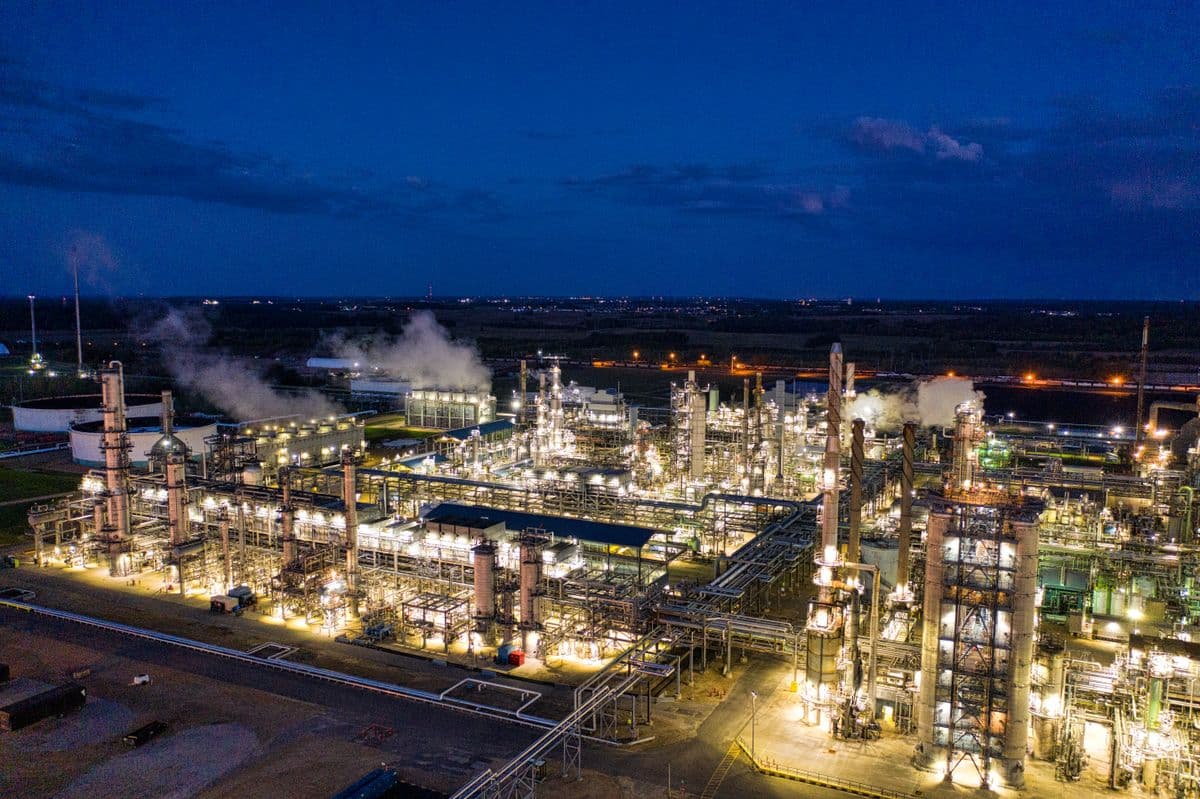
No discussion of Algerian industrial digitization is complete without Sonatrach. Africa's largest company by revenue and one of the world's top ten hydrocarbon producers, Sonatrach operates across the entire oil and gas value chain: upstream exploration and production, midstream transport and storage, downstream refining and petrochemicals, and international trading.
Sonatrach's digital transformation program, formalized in its 2025–2030 Strategic Plan, identifies AI and data analytics as a core pillar — not a peripheral initiative. The priorities are concrete:
- Predictive maintenance across aging pipeline and compression infrastructure
- Reservoir characterization acceleration using seismic AI and geological modeling
- Process optimization at refineries including Skikda, Arzew, and Hassi Messaoud
- HSE (Health, Safety, Environment) monitoring automation
- Document digitization of decades of technical records in Arabic and French
The challenge for Sonatrach — and it is a genuine challenge — is that the world's leading AI software vendors were not designed with Sonatrach in mind. Their platforms assume English-language documentation, cloud connectivity, and regulatory environments very different from Algeria's. This is not a failure of the vendors; it is simply the reality that platforms built primarily for North Sea operators or Texas Permian Basin producers do not automatically translate to the Algerian Sahara.
Sonatrach has responded pragmatically: a combination of selective partnerships with international technology companies for specific, bounded use cases, and increasing investment in working with Algerian technology partners for solutions that require deep local integration.
The Mining Sector: A Transformation in Progress
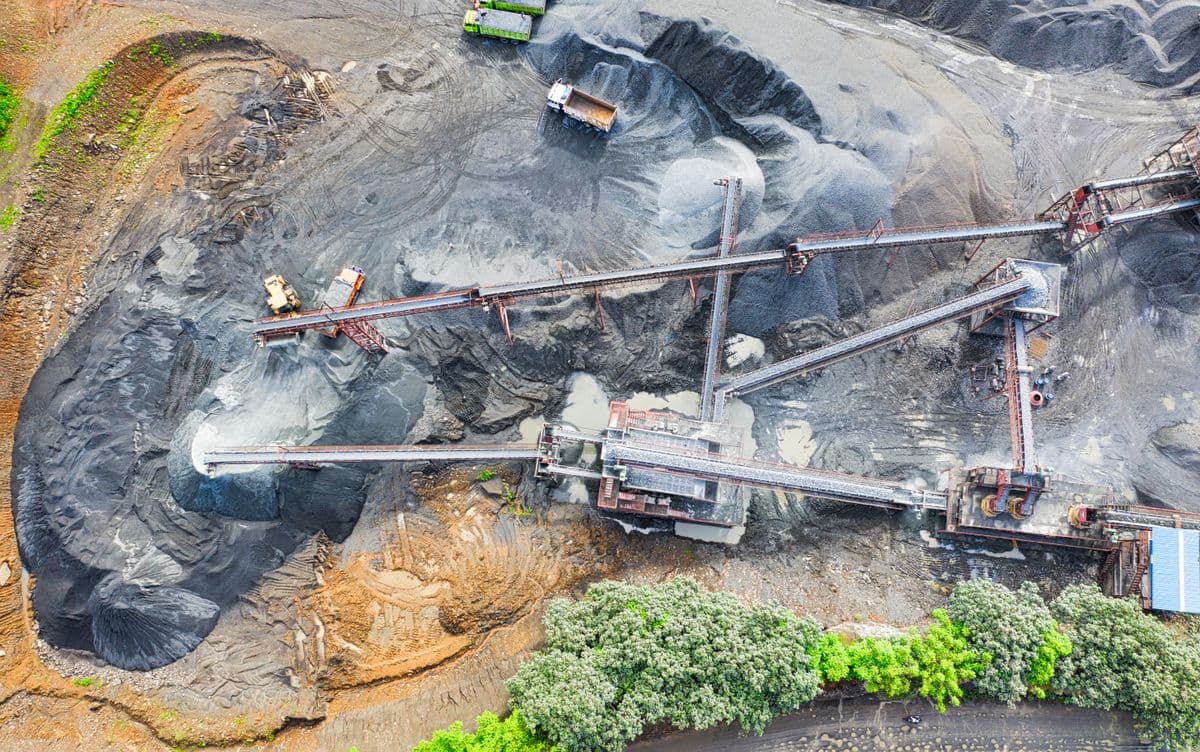
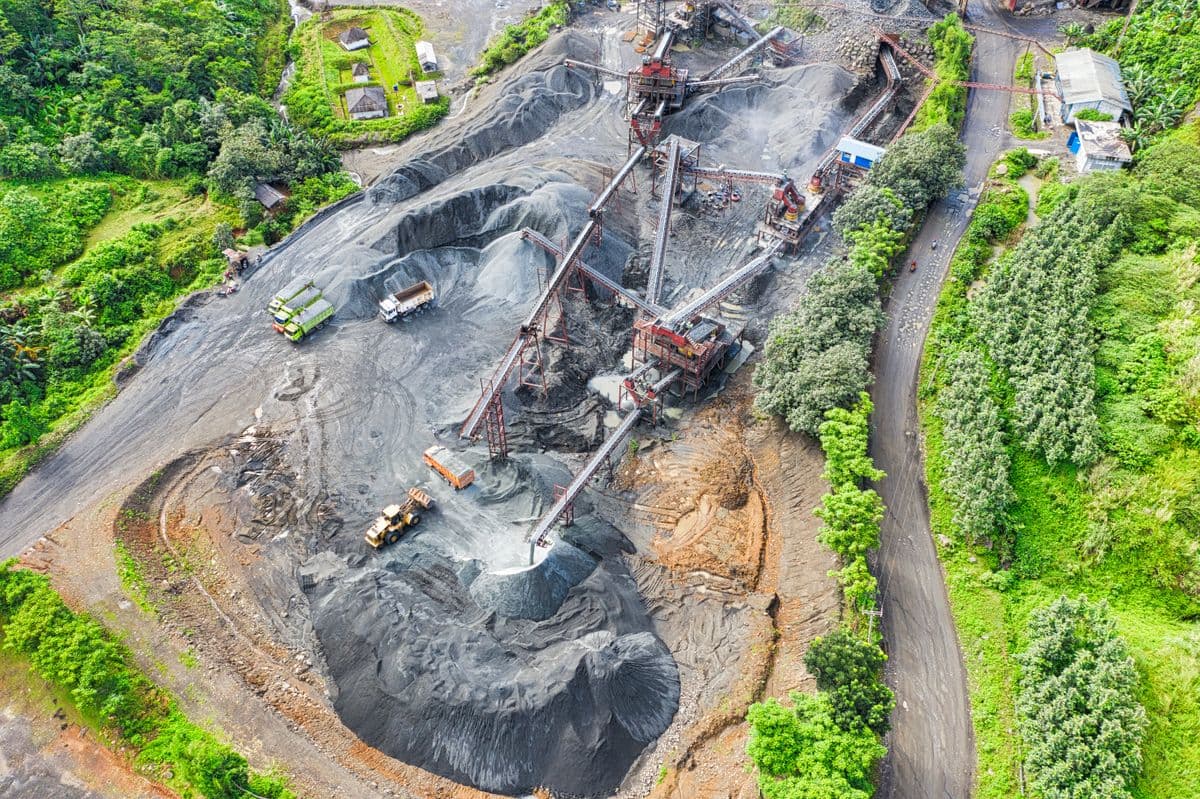
Algeria's mining sector is less internationally visible than its hydrocarbons industry but represents an equally significant opportunity. The country holds:
- 3.2 billion tonnes of proven iron ore reserves (Gara Djebilet alone is one of Africa's largest deposits)
- Substantial phosphate reserves concentrated in the east (Tébessa, Souk Ahras)
- Significant zinc and lead deposits
- Gold occurrences in the Hoggar and Tamanrasset regions
The Algerian Mining Agency (ANAM) has signaled clearly that the next phase of mining development — particularly Gara Djebilet's ramp-up to full production — will incorporate digital infrastructure from inception rather than retrofitting it later. This is a significant policy choice. Building digital-first operations is fundamentally different from digitizing existing ones, and it creates the opportunity to deploy AI in geological modeling, fleet management, and grade control from day one.
For the phosphate sector, managed primarily through Ferphos Group and the growing Somiphos operation, the opportunity is in processing optimization. Phosphate processing is chemically complex and quality-sensitive; AI-driven process control can materially improve product quality consistency and reduce processing costs.
The Real Challenge: Upgrading Legacy Systems in State-Owned Enterprises
Algeria's industrial base is remarkable in its scale. It is also, in significant parts, aging. Much of the core industrial infrastructure was built during the 1970s and 1980s under the socialist development model, and the physical assets and the control systems running them reflect that era.
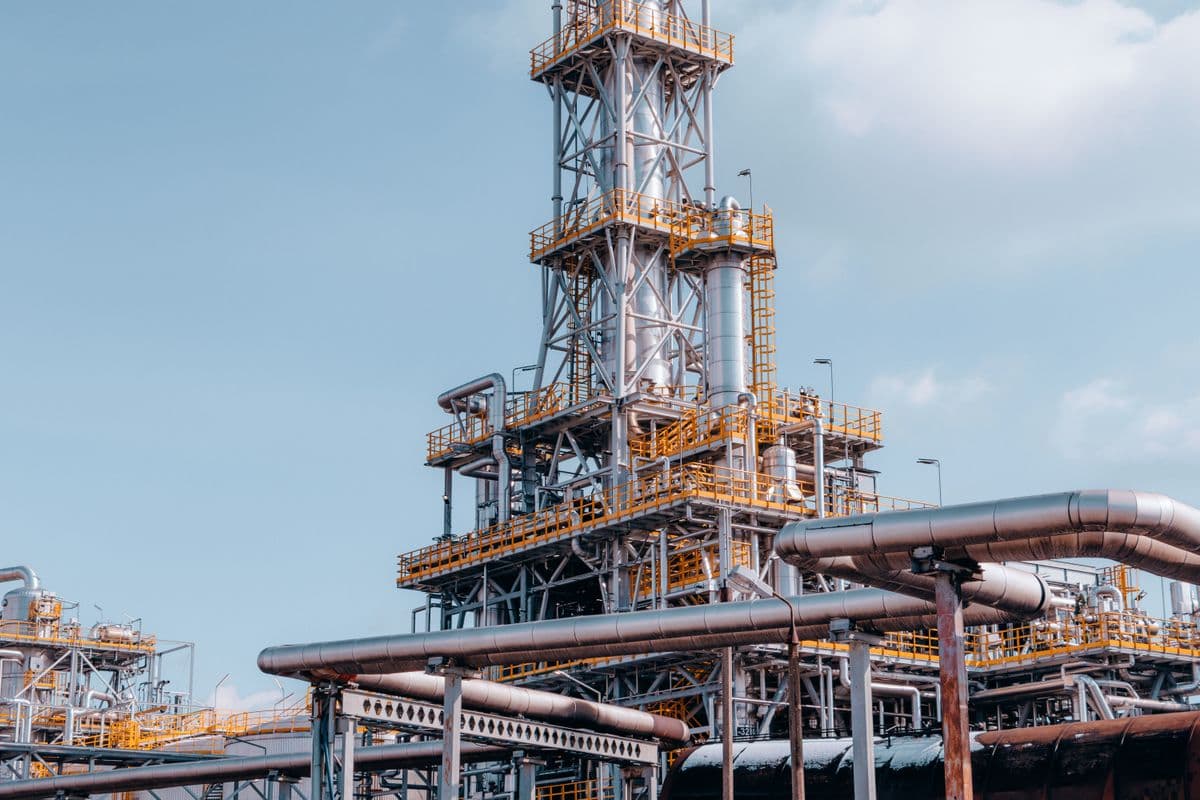
Upgrading a DCS (Distributed Control System) at an active refinery is not like updating software on a laptop. It requires planned outages, extensive commissioning and testing, and extraordinary care to avoid introducing the kind of instability that — in a refinery context — has catastrophic consequences. This reality is why the most successful AI deployments in Algerian industry are not rip-and-replace projects but layered solutions: AI that sits above existing control systems, reads their outputs, and provides decision support to human operators without disrupting the underlying automation.
This architecture — sometimes called the AI advisory layer — requires deep understanding of the specific control systems and process flows in a given facility. It is precisely the kind of knowledge that a multinational software vendor who has never visited Hassi Messaoud is unlikely to have.
Why Algeria Needs AI Built for Algeria
The case for locally-built industrial AI is not protectionism. It is pragmatism, grounded in four specific technical requirements:
Language: Algerian industrial operations document in Arabic and French, and communicate in a technical vernacular that blends both. AI systems that can only process English-language data are operationally blind to a large fraction of the information they should be analyzing.
Regulatory compliance: Algerian industrial operations are subject to Algerian regulations — from the Hydrocarbons Law and its successive amendments to environmental and safety regulations issued by the Ministry of Energy. An AI system built for European or American regulatory frameworks will require significant rework before it can be used to support compliance in Algeria.
On-premise deployment: Algeria's data sovereignty framework, combined with the practical reality that many Algerian industrial sites have limited or deliberately restricted internet connectivity (for security reasons), means that AI systems must be capable of running fully on-premise, without cloud dependency. This is an architectural requirement, not a preference.
Understanding of Algerian operational context: The geology of the Illizi basin is not the geology of the North Sea. The maintenance culture, organizational structures, and decision-making processes at a Sonatrach subsidiary are not identical to those at a private operator in Texas. AI that is trained on, and designed for, relevant Algerian and North African operational contexts will outperform generic platforms in real-world deployment.
The Role of Local vs. Multinational AI Companies
Multinational technology companies — IBM, Schneider Electric, Honeywell, SAP — are present in the Algerian market and provide valuable capabilities, particularly in standardized ERP and process automation. Their role in the next decade of Algerian industrial AI will likely be in providing platform infrastructure and specialized niche tools.
But the integration work, the language capability, the regulatory knowledge, and the client relationship management that makes AI actually work in an Algerian industrial context is increasingly the domain of Algerian companies. Local AI firms have decisive advantages in trust, accessibility, understanding of client constraints, and the ability to deploy and support solutions without depending on international travel or remote assistance from teams in different time zones.
This is not a zero-sum situation. The most effective deployments tend to be collaborative: international platforms providing computing infrastructure or specialized AI models, local partners providing integration expertise, localization, training, and ongoing support.
Talent Development: Universities as the Long-Term Foundation
Algeria has a strong engineering university tradition. USTHB (Houari Boumediene University of Science and Technology), Polytechnique d'Alger, University of Sétif, and numerous other institutions produce thousands of engineering graduates annually. AI and data science programs have expanded significantly since 2020.
The gap is not quantity of graduates — it is the intersection of AI expertise with industrial domain knowledge. A data scientist who has never visited a refinery will take years to become genuinely useful in refinery AI applications. Closing this gap requires structured collaboration between universities, industrial enterprises, and AI companies: internship programs, joint research projects, and the deliberate embedding of industrial context into AI curricula.
Several Algerian companies, including KABAS AI, have built these relationships deliberately, recognizing that building the talent pipeline is a prerequisite for the industry to scale.
Conclusion: An Inflection Point with a Long Runway
Algeria's Industry 4.0 transformation is not an event — it is a process that will unfold over the next 10–15 years. The pieces are assembling: national policy commitment, Sonatrach's formalized digital agenda, a mining sector ready for its first fully-digital major operation, and an emerging ecosystem of Algerian technology companies building AI for Algerian industrial contexts.
The country's industrial scale means the economic stakes are enormous. A 2% improvement in refinery efficiency across Algeria's processing capacity translates to hundreds of millions of dollars annually. A 15% reduction in drilling costs at Sonatrach's exploration program, compounded over a decade, is transformative.
The moment is now. The runway is long. And the opportunity belongs, most fundamentally, to those who understand the context well enough to build for it.